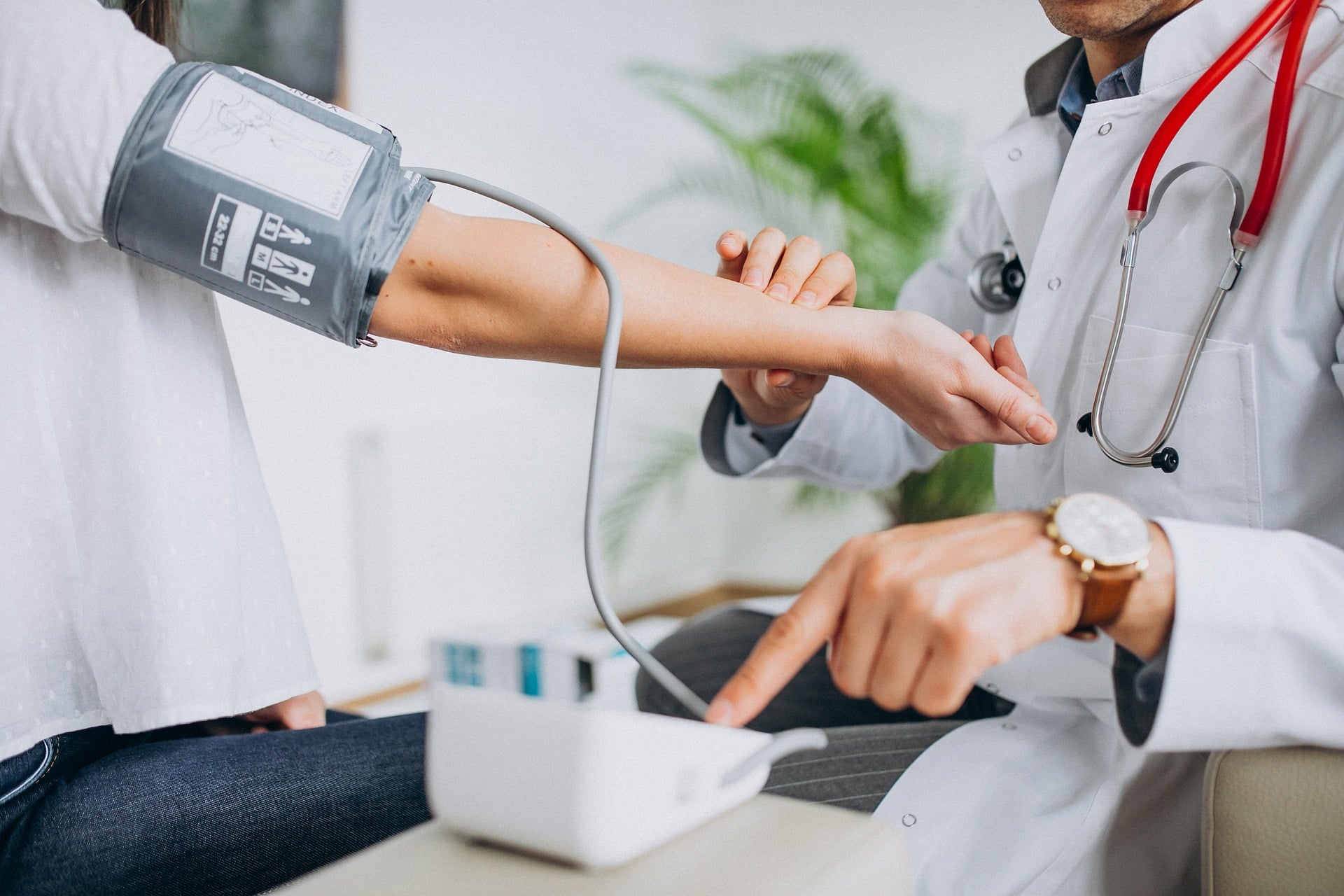
Health knowledge was once shared mainly through face-to-face consultations, printed materials, classrooms and public-health campaigns. Those channels remain important, but they now operate alongside websites, patient portals, mobile applications, telehealth services, wearable devices and artificial intelligence.
This shift has made health information easier to reach. It has not automatically made that information easier to understand or safer to use.
Digital health education is therefore about more than placing medical facts online. Its purpose is to help people find, understand, evaluate and apply health information while recognizing the limits of general guidance. When designed responsibly, it can support informed conversations, improve access to health services and help people participate more confidently in decisions about their well-being.
It cannot, however, diagnose an individual, account for every medical circumstance or replace qualified professional care.
How the Sharing of Health Knowledge Has Changed
For much of history, health knowledge moved slowly. Information was preserved through local traditions, written records and the experience of practitioners. The development of printing expanded access to medical and public-health material, while schools, hospitals and government programs later created more organized systems of health education.
Radio and television allowed public-health messages to reach large populations. The internet produced another major change: people could search for health information whenever a question arose instead of waiting for a scheduled class, printed publication or medical appointment.
Today, health learning is increasingly continuous. A person may read about a condition, view laboratory results through a patient portal, receive medication instructions electronically and discuss questions with a clinician through telehealth—all within the same care journey.
The importance of professional expertise has not diminished. What has changed is the speed, format and pathway through which knowledge reaches people.
What Digital Health Education Actually Includes
Digital health education refers to the use of electronic tools and communication channels to improve understanding of health, healthcare and related decisions.
It can include:
- Evidence-informed articles and public-health resources
- Patient portals that explain results, appointments and care instructions
- Telehealth preparation and follow-up materials
- Mobile applications that support education or reminders
- Videos, audio resources and interactive learning modules
- Online training for healthcare students and professionals
- Digital simulations used to practise clinical skills
- Community education delivered through messaging platforms
- Artificial intelligence used to organize, translate or explain information
Not every health-related app or social media post qualifies as meaningful education. Reliable digital health education requires accurate content, understandable presentation, appropriate context and a clear distinction between general information and individualized medical advice.
Digital Health Literacy Is the Foundation
Technology can deliver information, but people still need the skills to use it safely.
The World Health Organization describes digital health literacy as the ability to find, understand and evaluate health information from electronic sources and use that knowledge to address a health-related problem. It combines health literacy with the practical and critical skills required to navigate digital systems.
In daily life, digital health literacy may involve being able to:
- Locate information from an appropriate source
- Understand medical language or numerical results
- distinguish evidence from advertising or personal opinion
- Check when information was published or reviewed
- Use a patient portal or telehealth platform
- Recognize when a question requires professional assessment
- Protect personal information when using health tools
- Apply general guidance without treating it as a personal diagnosis
The Agency for Healthcare Research and Quality’s digital health literacy guidance explains that these abilities are increasingly relevant to accessing records, communicating with healthcare teams and participating in digital services.
Access to information and the ability to use information are not the same. A person can receive dozens of search results and still be unable to determine which one is reliable, relevant or safe.
Where Digital Tools Can Add Meaningful Value
Digital education is most useful when it solves a real communication or access problem.
Flexible Access to Health Information
Digital resources can be available outside clinic hours and across geographical boundaries. This can help people revisit instructions, prepare questions for an appointment or learn about a general health topic at their own pace.
Accessibility still depends on internet availability, device access, language and digital confidence. Online availability should therefore be treated as one part of access—not proof that every audience can use the information equally.
Multiple Learning Formats
People understand information in different ways. Written explanations can be supported by diagrams, audio, captions, demonstrations and interactive exercises.
Multiple formats may also improve access for people who have limited reading proficiency or particular accessibility needs. The information must remain consistent across those formats so that a simplified explanation does not change the medical meaning.
Better Continuity Between Health Encounters
Education does not have to end when a consultation finishes. A healthcare organization can use approved digital materials to reinforce instructions, explain follow-up steps or help patients prepare for future discussions.
These materials work best when they support a documented care plan. Automated reminders or general online guidance should not independently alter treatment, medication or clinical decisions.
More Active Participation
A well-designed resource can help people organize questions, understand common terminology and take a more active role in conversations with healthcare professionals.
Participation does not mean transferring clinical responsibility to the patient. It means providing enough understandable information for a person to communicate concerns, preferences and uncertainties more effectively.
Technologies Reshaping Health Learning
Different technologies serve different educational purposes. Their value depends on how carefully they are designed and governed.
Mobile Applications and Wearable Devices
Mobile tools may provide educational modules, appointment reminders, habit tracking or explanations of health measurements. Wearable devices can display patterns involving activity, sleep or other indicators supported by the device.
The information produced by a consumer device needs context. A reading may be affected by device quality, placement, user behavior and the limits of its intended purpose. Trends can sometimes support awareness, but they should not be interpreted automatically as a diagnosis.
Users should also understand what information an application collects, why it needs that information and whether it is shared with other parties.
Patient Portals and Telehealth
Patient portals can help people view records, manage appointments, access educational materials and communicate with a healthcare team. Telehealth can extend certain services to people who face distance, mobility or scheduling barriers.
Using these systems requires more than technical access. Patients may need help understanding account security, test-result displays, electronic forms and the difference between routine messages and urgent medical concerns.
Digital education should clearly explain where the service begins and ends, including what users should do when immediate or in-person care may be necessary.
Simulation in Professional Education
Digital simulations and virtual environments allow students and professionals to practise certain procedures, communication tasks and clinical scenarios in a controlled setting. Learners can repeat an exercise, receive structured feedback and encounter situations that may be difficult to reproduce consistently in a classroom.
Simulation complements supervised clinical education; it does not replace real-world experience, professional judgment or competency assessment.
Artificial Intelligence
Artificial intelligence may help organize large bodies of material, adapt reading levels, translate content or generate educational examples. These uses could make information easier to navigate, particularly when content is reviewed by qualified people before publication.
AI-generated health information can also be incomplete, outdated, biased or confidently incorrect. It may fail to account for medical history, interactions, local clinical guidance or the urgency of a situation.
The WHO guidance on AI for health emphasizes governance, transparency, expert supervision and protection of human autonomy. AI should support responsible education—not be presented as an unquestionable authority or independent healthcare professional.
The Main Risks of Digital Health Education
Digital platforms create valuable opportunities, but they also introduce risks that printed information did not create at the same scale.
Misinformation and Misleading Presentation
Online health claims can spread quickly even when they are based on weak evidence, personal experience or commercial promotion. Repetition and popularity can make a claim appear credible without improving its accuracy.
Readers can strengthen their evaluation skills through this guide to identifying reliable online health information.
Missing Personal Context
General information cannot account for every person’s age, medical history, symptoms, pregnancy status, allergies, medications or other risk factors. Advice that is reasonable in one situation may be inappropriate in another.
Responsible digital education explains these limitations and identifies circumstances in which professional assessment is appropriate.
Outdated Information
Medical understanding and official recommendations can change. An article may have been accurate when published but become incomplete as evidence or guidelines develop.
Meaningful publication and review dates, working citations and a correction process help readers judge whether material is current.
Unequal Access
Older adults, people with disabilities, rural communities, individuals with limited digital skills and people who do not read the dominant language of a platform may face additional barriers.
Digital education should not assume that every user has fast internet, a modern device or the same level of technical confidence. Offline materials and human assistance remain important.
Privacy and Data Security
Educational websites that do not need personal health data should avoid requesting it. Applications and interactive services should clearly explain what they collect, how the information is used and what controls are available to the user.
A useful educational feature does not justify unnecessary collection of sensitive information.
What Trustworthy Digital Health Education Looks Like
The quality of digital health education depends on both its evidence and its design.
A responsible resource should:
- Identify who created or reviewed the content
- Reference appropriate research or recognized health authorities
- Display publication and review dates
- Separate established evidence from preliminary findings
- Explain uncertainty and important limitations
- Use plain language without changing the scientific meaning
- Avoid promises, miracle claims and unnecessary alarm
- Distinguish education from diagnosis or treatment
- Provide clear next steps when professional help may be needed
- Design content for different devices and accessibility needs
- Correct material when credible new evidence changes the conclusion
- Use qualified human review when AI contributes to the content
The U.S. Office of Disease Prevention and Health Promotion recommends putting important information first, using plain language, creating actionable content and designing digital material for people with different literacy and accessibility needs. Its Health Literacy Online guidance also emphasizes content governance and regular accuracy reviews.
A Practical Way to Evaluate Digital Health Resources
Readers do not need medical training to perform a basic credibility check. Before relying on a digital health resource, consider the following questions.
Who Is Responsible for the Information?
Look for an identifiable organization, author or reviewer. Relevant qualifications and a clear editorial process are more useful than a generic claim of expertise.
What Evidence Supports the Claims?
Reliable resources link to recognized health authorities, clinical guidance or appropriately designed research. References should support the actual claim being made rather than merely mentioning the same general topic.
Is the Information Current?
Check the publication or review date. Also consider whether the subject changes quickly. Guidance about a developing technology, medication or public-health situation may require more frequent review than general background information.
Does the Language Reflect Appropriate Certainty?
Be cautious with phrases such as “guaranteed cure,” “instant result” or “works for everyone.” Reliable health communication distinguishes possibilities, associations and established conclusions.
Is Something Being Sold?
Commercial involvement does not automatically make information false, but it can influence which benefits, risks or alternatives receive attention. Advertising, sponsorship and affiliate relationships should be disclosed clearly.
Does the Resource Know Its Limits?
A credible educational resource will not claim to diagnose a reader from a short description or promise that one recommendation is suitable for everyone. It should encourage appropriate professional care when individual assessment matters.
Digital Education and Preventive Health
Digital health education can support prevention by explaining risk factors, screening concepts and sustainable health behaviors before a problem becomes severe. It can also help people understand why a particular recommendation exists instead of asking them to follow it without context.
Its role is educational. Screening schedules, health targets and preventive recommendations can vary according to age, history and local medical guidance.
A broader discussion of this connection is available in the future of preventive healthcare and health literacy.
The Future Should Be Human-Centered
Future digital education will likely become more interactive, multilingual and adaptable to different learning needs. AI may help explain terminology, while simulations may offer more realistic professional training. Connected systems may make it easier to provide relevant education before and after a healthcare encounter.
Technical capability should not be the only measure of progress.
A successful digital health resource should be judged by whether people can understand it, assess its reliability and use it safely. That requires evidence, accessible design, privacy protection, cultural and linguistic awareness, transparent governance and meaningful human oversight.
The strongest systems will not simply deliver more information. They will help people determine what the information means, what it does not mean and when further help is necessary.
Final Thoughts
Digital health education has changed the movement of health knowledge from a limited, scheduled exchange into an ongoing process. People can now encounter health information through websites, mobile devices, portals, telehealth systems, simulations and AI-assisted tools.
This wider access is valuable, but information alone does not create understanding. Reliable education must connect evidence with clear communication, appropriate context and honest explanations of uncertainty.
Digital tools are most useful when they strengthen—not replace—the relationship between individuals, trustworthy information and qualified healthcare professionals. The future of health knowledge will therefore depend as much on literacy, equity, privacy and human judgment as it does on technological innovation.
Frequently Asked Questions
What is digital health education?
Digital health education uses electronic resources and technologies to help people understand health information, healthcare services and health-related decisions. It may include websites, applications, portals, telehealth materials, videos and professional learning systems.
Is digital health education the same as telemedicine?
No. Telemedicine involves delivering certain healthcare services remotely, while digital health education focuses on improving knowledge and understanding. Educational material can support a telemedicine service, but the two are not identical.
Can AI provide reliable health education?
AI can help organize, translate or simplify information, but its output may contain errors or omit important context. Health content produced with AI should be checked against reliable sources and receive appropriate human review.
How can someone identify trustworthy digital health information?
Check the author or organization, supporting evidence, review date, language, commercial interests and stated limitations. Important information should be confirmed through recognized health authorities or qualified professionals.
Can digital health resources replace a doctor?
No. Digital resources can support learning and help people prepare for healthcare conversations, but they cannot perform a complete individual assessment or replace professional diagnosis and treatment.
Medical note: This article provides general educational information. It is not intended as a diagnosis, treatment plan or substitute for advice from a qualified healthcare professional.