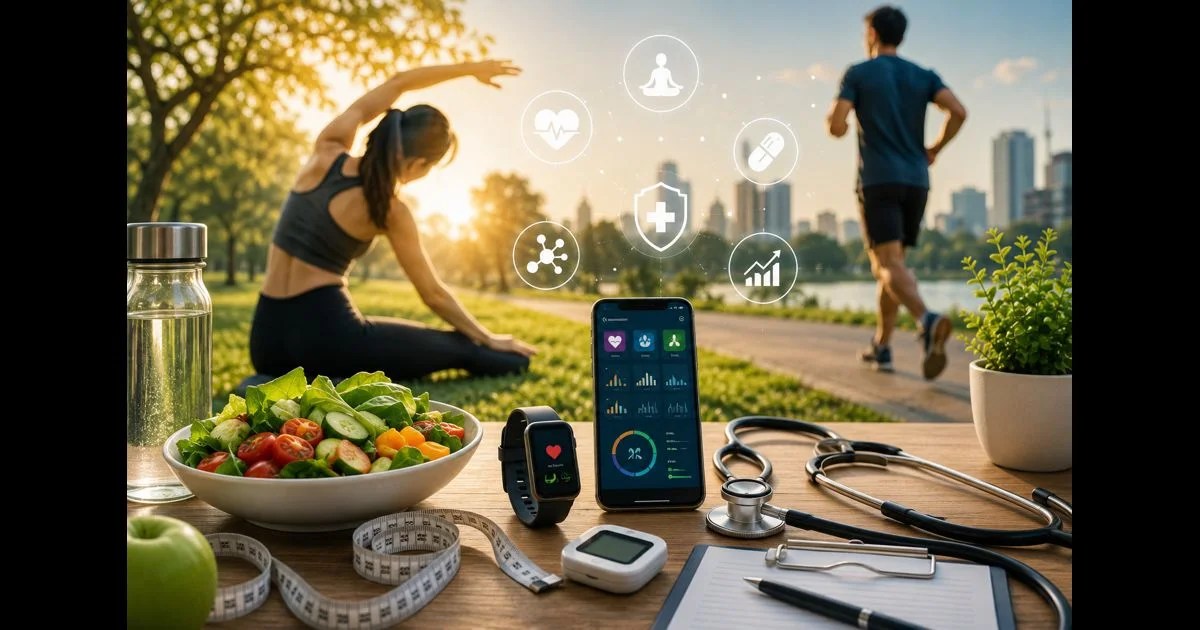
Healthcare is slowly changing its direction.
For a long time, most medical systems focused on treating illness after it appeared. Hospitals, clinics, and specialists were designed around diagnosis and treatment. That model is still essential, but it is no longer the only focus. A gradual shift is taking place toward prevention, early awareness, and personal understanding of health before problems become severe.
This shift is not happening in isolation. It is being shaped by two powerful forces: improved access to health information and the growing role of digital technology in everyday life.
Together, they are changing how people think about health, how decisions are made, and how care is delivered.
From Treating Illness to Preventing It Early
Preventive healthcare is not a new idea, but its importance is becoming more visible.
Instead of waiting for symptoms to develop, modern healthcare increasingly encourages early awareness of risk factors. This includes monitoring blood pressure, understanding nutrition patterns, tracking physical activity, and recognizing early signs of chronic conditions.
The goal is not to eliminate all illness. That is not realistic. The goal is to identify risks earlier and reduce the likelihood of serious complications later in life.
What is changing today is scale. Preventive care is no longer limited to medical check-ups alone. It is becoming something people engage with in their daily lives through information, tools, and habits.
Health Literacy as a Core Health Skill
Health literacy refers to how well people can understand and use health information to make decisions.
In the past, this was often considered a secondary skill. Today, it is becoming essential.
People are now exposed to constant streams of health content from websites, apps, social media platforms, and digital communities. While this increases access to knowledge, it also increases the responsibility to interpret that knowledge correctly.
Higher health literacy helps individuals:
- Understand medical recommendations more clearly
- Ask better questions during medical consultations
- Recognize reliable vs misleading health information
- Make more informed lifestyle choices
In many ways, health literacy is becoming as important as basic education in science or mathematics, because it directly influences daily decisions that affect long-term well-being.
The Role of Digital Health Knowledge
Digital technology is changing how health knowledge is delivered.
Information that once required a medical visit or printed material is now available instantly. People can learn about symptoms, conditions, treatments, and prevention strategies in real time.
But this convenience comes with complexity.
Not all digital health information is accurate, and not all platforms prioritize evidence-based communication. This creates a gap between access and reliability.
As a result, the future of healthcare will not only depend on making information available, but also on making it understandable, transparent, and trustworthy.
Digital health knowledge is moving toward more structured systems where information is supported by evidence, updated regularly, and designed for public understanding rather than technical audiences alone.
Why Prevention Depends on Understanding, Not Just Technology
Technology alone does not improve health outcomes.
Wearable devices, mobile health apps, and online tracking systems can provide useful data, but their real value depends on how people interpret and act on that information.
For example, knowing step counts or sleep patterns is only useful if individuals understand what those numbers mean in context and how they relate to overall health.
This is where health literacy becomes essential. Without understanding, even the most advanced tools have limited impact.
The future of preventive healthcare will therefore depend on combining technology with education—helping people not just collect health data, but understand it meaningfully.
Personalization Is Changing the Way Health Advice Is Delivered
One of the biggest shifts in modern healthcare is the move toward personalization.
Instead of offering the same general advice to everyone, digital health systems are increasingly designed to adapt to individual needs. This includes factors such as age, medical history, lifestyle patterns, and even behavioral tendencies.
For example, two people may receive different recommendations for physical activity based on their current fitness level or underlying health conditions. Similarly, dietary guidance may be adjusted depending on metabolic needs or existing risks.
This does not replace professional medical judgment, but it adds an additional layer of context that makes health information more relevant and actionable.
As personalization improves, health education becomes less about broad instructions and more about tailored understanding.
The Growing Importance of Early Awareness
Preventive healthcare is increasingly focused on identifying risk before symptoms become serious.
Many chronic conditions develop gradually over time, often without noticeable signs in the early stages. Conditions such as cardiovascular disease, diabetes, and certain metabolic disorders may begin long before a person feels unwell.
This is why early awareness plays such a critical role.
Digital tools, routine screenings, and accessible health information help individuals understand potential risks earlier than in the past. However, awareness alone is not enough. It must be paired with understanding in order to lead to meaningful action.
Without context, early health information can sometimes create unnecessary anxiety. With proper understanding, it becomes a powerful tool for informed decision-making.
Digital Tools and the Rise of Self-Monitoring
Another major change in healthcare is the increasing use of self-monitoring tools.
Wearable devices, mobile applications, and connected health platforms allow individuals to track various aspects of their health, including activity levels, heart rate, sleep patterns, and dietary habits.
This continuous feedback can help people become more aware of how daily choices influence their well-being.
However, self-monitoring also introduces a challenge: interpretation.
Raw data does not automatically lead to better decisions. Without proper understanding, numbers can be misinterpreted or overemphasized. A temporary change in heart rate, for example, may be completely normal, but without context it may cause unnecessary concern.
This is why future healthcare systems will likely place greater emphasis on education alongside data tracking.
The Shift Toward Shared Responsibility in Healthcare
Traditionally, healthcare decisions were primarily guided by medical professionals.
While doctors, nurses, and specialists remain central to care, the modern model is gradually shifting toward shared responsibility between healthcare providers and individuals.
This means patients are no longer passive recipients of care. They are active participants in decision-making, prevention, and long-term health management.
Shared responsibility requires clear communication. Medical information must be explained in a way that is understandable without losing accuracy. At the same time, individuals must develop the ability to interpret and apply that information responsibly.
Health literacy becomes the bridge between professional guidance and personal action.
Challenges in the Digital Health Landscape
Despite its advantages, digital health knowledge also presents several challenges.
One of the main issues is information overload. With so many sources available, it becomes difficult to determine what is truly trustworthy information or accurate.
Another challenge is inconsistency. Different platforms may present conflicting advice, especially when discussing emerging research or complex topics.
There is also the issue of accessibility. Not everyone has equal access to digital tools or reliable internet resources, which can create gaps in health education and preventive care.
Addressing these challenges will be essential for ensuring that digital health knowledge benefits everyone, not just a limited group of users.
Why Trust and Interpretation Will Matter More in the Future
As healthcare becomes more digital and more personalized, the ability to evaluate information will become even more important.
Trust will not be based solely on appearance or popularity. It will depend on transparency, evidence quality, and consistency across reliable sources.
At the same time, interpretation skills will matter just as much as access to information.
Knowing how to read health data, understand risk, and distinguish between correlation and causation will become essential skills in everyday life.
The future of healthcare will not only be shaped by technology. It will be shaped by how well people understand and use the information that technology provides.
The Future Role of Health Education
Health education is no longer limited to classrooms, textbooks, or clinical settings. It is becoming a continuous process that happens through digital platforms, interactive tools, and everyday exposure to health information.
In the future, effective health education will likely focus less on memorizing facts and more on building decision-making skills. This includes understanding risk, interpreting data, and recognizing reliable sources of information.
Instead of simply telling people what to do, health education will increasingly help people understand why certain choices matter and how evidence supports those recommendations.
This shift is important because health challenges today are often influenced by lifestyle patterns, environmental factors, and long-term behaviors rather than isolated events.
Prevention as a Long-Term Strategy, Not a Short-Term Action
Preventive healthcare is often misunderstood as a set of short-term actions, such as getting a check-up or making temporary lifestyle changes. In reality, prevention is a long-term approach to maintaining well-being over decades.
It involves small, consistent behaviors that reduce risk gradually over time. These include maintaining regular physical activity, eating balanced meals, managing stress effectively, and paying attention to early signs of health changes.
What is changing in the modern healthcare landscape is not the concept of prevention itself, but the scale and tools available to support it.
With better access to information and digital monitoring systems, prevention is becoming more integrated into daily life rather than something that happens only during medical visits.
Why Human Behavior Remains Central to All Health Systems
Even as technology advances, human behavior remains the most important factor in health outcomes.
No digital tool, wearable device, or advanced diagnostic system can replace the impact of consistent daily choices. Technology can support awareness and provide guidance, but it cannot make decisions on behalf of individuals.
This is why understanding behavior is just as important as understanding medicine.
Habits such as sleep routines, dietary patterns, physical activity levels, and stress responses continue to play a major role in long-term health, regardless of how advanced healthcare systems become.
The future of healthcare will therefore depend on combining technological innovation with a deeper understanding of how people actually live their daily lives.
Building a More Informed and Empowered Population
As health literacy improves, individuals become more capable of engaging with healthcare systems in meaningful ways.
This does not mean replacing medical professionals. Instead, it means improving communication between individuals and healthcare providers, leading to more informed discussions and better shared decisions.
An informed population is better equipped to recognize early warning signs, follow evidence-based recommendations, and avoid misinformation that can lead to poor health choices.
Over time, this creates a healthcare environment that is more preventive, more collaborative, and more focused on long-term outcomes rather than short-term reactions.
Final Thoughts
The future of preventive healthcare is not defined by a single innovation. It is shaped by the interaction between technology, education, and human behavior.
Digital tools will continue to improve the way health information is collected and shared. However, their true value depends on how well individuals understand and use that information.
Health literacy will therefore remain one of the most important skills in modern society. It connects evidence with action, data with understanding, and information with real-world decisions.
At Health Threetrees Com VN, we view this future as an opportunity to make health knowledge more accessible, more practical, and more meaningful for everyday life. Preventive healthcare is no longer just a medical concept—it is becoming a shared responsibility supported by knowledge, awareness, and informed choices.
As systems evolve, one principle will remain constant: better understanding leads to better decisions, and better decisions lead to better health outcomes.
Frequently Asked Questions
What is preventive healthcare?
Preventive healthcare focuses on reducing the risk of disease before it occurs. It includes regular screenings, healthy lifestyle habits, early detection of risk factors, and education that supports long-term well-being.
How does digital technology support preventive health?
Digital tools such as health apps, wearable devices, and online platforms help individuals monitor their health, track behaviors, and access health information more easily. This supports early awareness and informed decision-making.
Why is health literacy important in modern healthcare?
Health literacy helps people understand medical information, evaluate health claims, and make informed decisions. It plays a key role in using digital health tools effectively and avoiding misinformation.
Will technology replace doctors in the future?
No. Technology is designed to support healthcare professionals, not replace them. Human judgment, clinical expertise, and patient care remain essential in all healthcare systems.
What is the biggest challenge in future healthcare systems?
One of the biggest challenges is ensuring that people can correctly interpret and use health information. Access to data is increasing, but understanding and responsible use of that data remains critical.